

My Honest Take After Researching It Deeply
If you’ve ever seen collagen supplements promising glowing skin, luscious hair, strong nails, and pain-free joints, you’ve probably wondered: “Do they really work?” I’ve had the same doubt. Honestly, I was skeptical whether these well-marketed powders and pills could truly deliver any collagen benefits.
So, before spending my money, I did quite a bit of research.
🧪 What Does Science Say About Oral Collagen?
One of the many papers I read was a 2023 systematic review and meta-analysis titled “Effects of Oral Collagen for Skin Anti-Aging”. The study suggests that hydrolyzed collagen (HC) supplementation can have positive effects on skin health.
However, like most existing research on collagen, this study isn’t perfect. The methodologies in collagen research are often limited — small sample sizes, industry-funded studies, or short-term observations. This doesn’t discredit the potential, but it does mean we need to view results with a balanced perspective.
In summary: Many studies point to a promising effectiveness of collagen supplements, but the research isn’t yet “strong enough” to give a definite answer. Still, the direction is positive, and that’s why I’m open to giving it a shot.
🧬 How Does Our Body Actually Use Collagen?
A common misconception is that taking collagen equals instantly better skin or stronger joints. In reality, collagen supplements are broken down into amino acids and peptides during digestion. These are then reassembled by the body to create proteins — if and when they’re needed.
Your body decides whether to produce collagen, depending on its current state and demand. Interestingly, exercise is believed to boost collagen production, making it a crucial factor in whether supplements are effectively utilized.
Think of it this way: Collagen supplements provide the raw materials; your body decides what to build.
🧵 Types of Collagen: What to Take for Skin & Joints
Not all collagen is created equal. There are several types, but here are the key ones you should know:
-
- Type I: The most abundant collagen in the body. Vital for skin, bones, and tendons.
-
- Type II: Found mainly in cartilage. Excellent for joint support.
-
- Type III: Works with Type I. Important for skin elasticity, muscles, and blood vessels.
🐄🐟🐔 Bovine vs. Marine vs. Chicken Collagen
🐔 Chicken (chicken-derived): High in Type II collagen. Best known for joint and cartilage support, making it a common choice for joint health supplements.
🐄 Bovine (cow-derived): Rich in Type I & III. Supports skin, bones, tendons, and muscles.
🐟 Marine (fish-derived): Primarily Type I. Popular for skin and hair health thanks to smaller peptide size, which may allow easier absorption.
🛒 How to Choose the Right Collagen Supplement
Here’s what to keep in mind when shopping for collagen:
-
- Collagen only exists in animals. “Vegan collagen” is technically not collagen but may contain nutrients that support collagen production, like vitamin C or amino acids.
-
- Powder vs. Pills? Both offer similar benefits, but powder forms usually provide more collagen per serving. Powders can be mixed into drinks, but beware: unflavored collagen powder often has a fishy or meaty smell. Some brands mask this with artificial flavors — check for added sugars and chemicals before buying.
-
- Ingredient quality matters: Look for hydrolyzed collagen peptides for better absorption and avoid unnecessary fillers.
🌿 My Personal Take: Why I Take Oral Collagen
Despite my initial doubts, I decided to add oral collagen to my routine. Here’s why:
-
- Collagen supplements have no significant side effects for most people.
-
- The research, while not conclusive, points in a positive direction.
-
- It’s a low-risk addition to my personal care routine.
If you have the extra budget, it might be worth trying and observing how your body responds over a few months.
🏷 Collagen Brands I Recommend
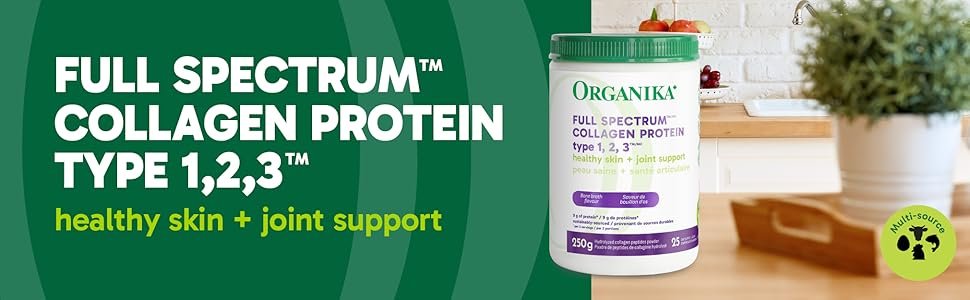
After going through reviews, ingredient lists, and sourcing transparency, these are some higher-quality collagen supplements I believe are worth considering:
These brands align with what I look for: clean ingredients, reputable sourcing, and transparent labeling.
📝 Final Thoughts: Is Collagen for You?
So, what does collagen do? It supports your body’s structure — from skin elasticity to joint health. But taking supplements doesn’t guarantee overnight results. It’s about providing the body with building blocks while maintaining a healthy lifestyle.
To sum up:
-
- Current evidence on oral collagen for skin and joints is promising but not conclusive.
-
- Supplements are most effective when paired with exercise and a good diet.
-
- If you’re curious and have the budget, collagen could be a helpful addition to your wellness routine.
As always, listen to your body and consult a healthcare professional if unsure.
Disclaimer:
As an Amazon Associate, I earn from qualifying purchases. This means that if you click on an Amazon link and make a purchase, I may receive a small commission at no extra cost to you.